
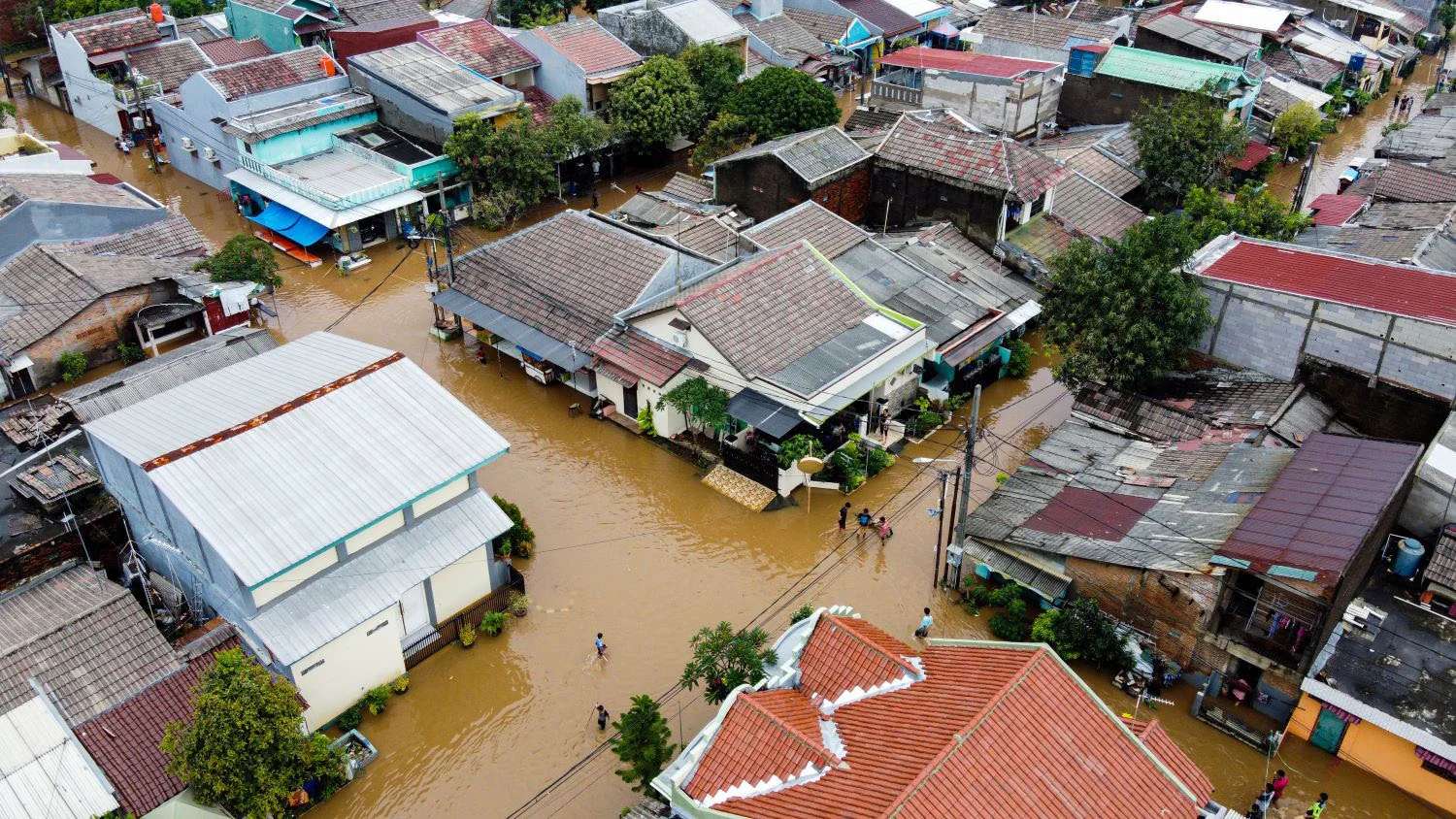

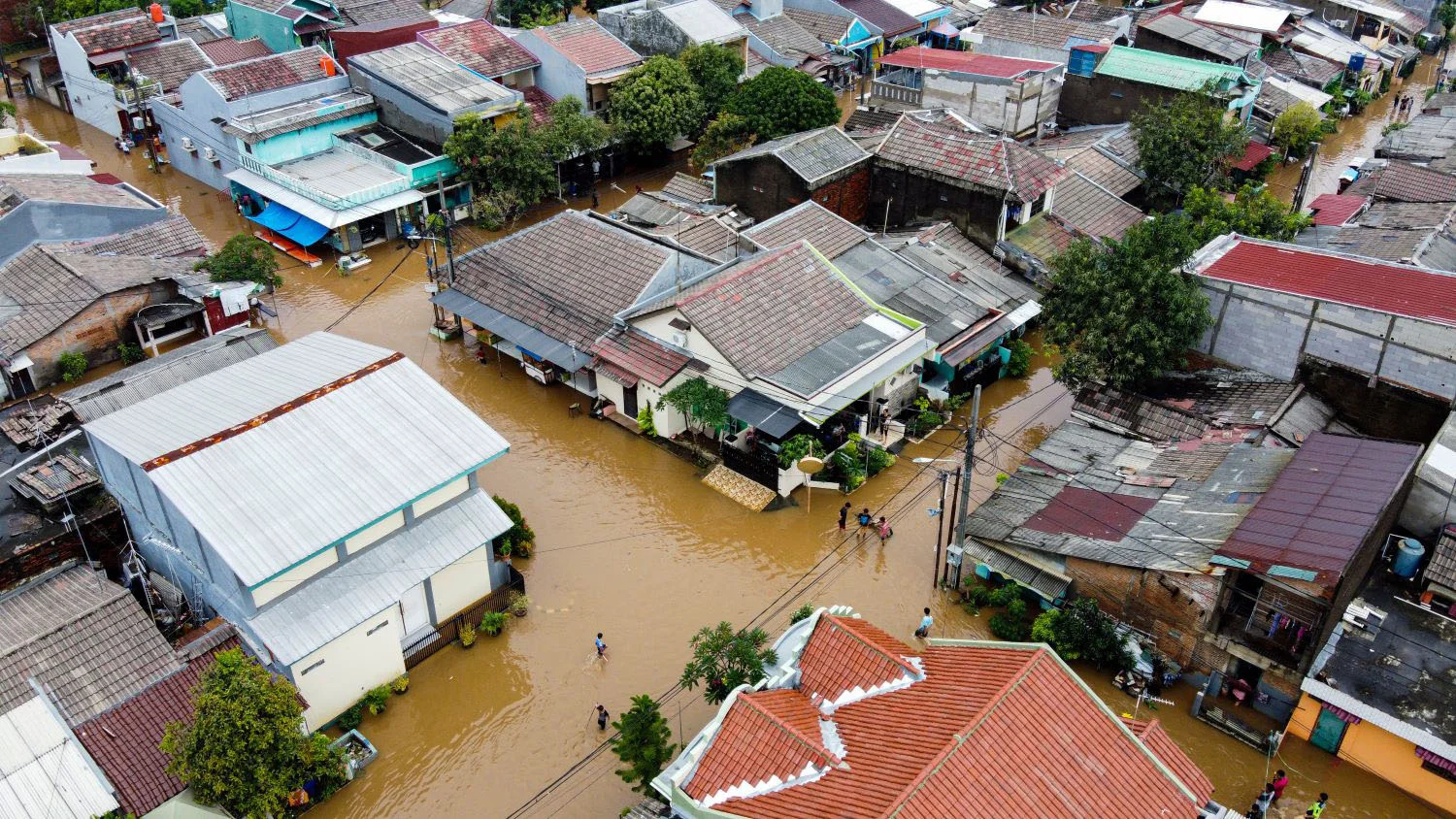
A sovereign government in East Africa faces one of the world’s most severe disaster risk environments. Its response system has been largely reactive and dependent on donors. When a shock arrives, money and help follow it, often long after the damage is done.
Between 2025 and 2026, RG Partners supported the government in designing a National Disaster Risk Financing (DRF) Strategy for 2026–2031. DRF is the set of tools a country uses to pay for disasters before and after they happen, such as reserves, contingency funds and insurance. This is a short account of what the diagnostic found and what the strategy proposes.
Key Takeaways
- Financial protection gaps ran at 85–96% across disaster scenarios.
- None of the surveyed communities (0%) had any insurance coverage.
- 83% of communities said post-disaster assistance was inadequate, and 77% waited months to over a year for a response.
- 84% of disasters follow predictable seasonal patterns, but only 27% of communities received anticipatory assistance.
- The country does not primarily have a disaster prediction problem. It has a disaster financing problem.
- The strategy sets out a US$400–500M financing framework and aims to protect more than 150,000 households by 2031.
The Strategy in Numbers
- 157 stakeholders engaged
- 13 regions covered
- US$ 400–500M financing framework
- 150,000+ households protected by 2031
The Challenge: An 85–96% Financial Protection Gap
Across disaster scenarios, the gap between the losses a disaster causes and the financing available to meet them was 85–96%. Of the communities surveyed, 0% had any insurance coverage.
The response system was predominantly reactive and donor-dependent, which left that gap largely unfilled.
Our Approach: Seven Work Streams
- Diagnostic study. 157 stakeholders engaged.
- Situational analysis. Capacity and coordination gaps.
- Benchmarking. A review of DRF instruments.
- Strategy. An eight-objective national framework.
- Governance design. A National Steering Committee.
- Financing architecture. A US$400–500M framework.
- Validation. A Minister-chaired endorsement workshop.
Finding 1: A Crisis of Scale and Depth
83% of communities reported that post-disaster assistance was inadequate to meet their needs. 77% experienced response delays of months to over a year.
For a household, that means help that is too small and arrives too late to protect livelihoods.
Finding 2: No Prevention Mechanism
84% of disasters follow predictable seasonal patterns, yet only 27% of communities received anticipatory assistance.
The key insight: this country does not primarily have a disaster prediction problem. It has a disaster financing problem. The warning signs are visible, but there has been no mechanism to turn them into funded action.
What We Delivered: Eight Objectives, One Financing Architecture
Among the eight objectives of the national framework:
- Anticipatory Action. A US$150M fund, with disbursement within 48 hours of a trigger.
- Financial Inclusion. Access rising from 37% to 70% of vulnerable populations.
- Climate Risk Insurance. 50,000 households enrolled by Year 6.
- Governance and Policy. The strategy legally adopted, with digital tracking.
- Financing. US$400–500M across six source categories.
Expected Impact by 2031
By 2031, 150,000 households, approximately 1 million people, are expected to be directly protected by government-coordinated DRF mechanisms. The fair distribution of assistance is expected to rise from 13% to 60% of communities.
What Other Governments Can Take From This
Knowing when a disaster is likely is only half the answer. The other half is having money ready, rules for releasing it, and a body accountable for doing so. Where seasonal patterns are predictable, financing that moves before the shock can protect more people than financing that moves after it.
To discuss disaster risk financing or public-sector advisory work, contact RG Partners at info@rgpartners.rw.